
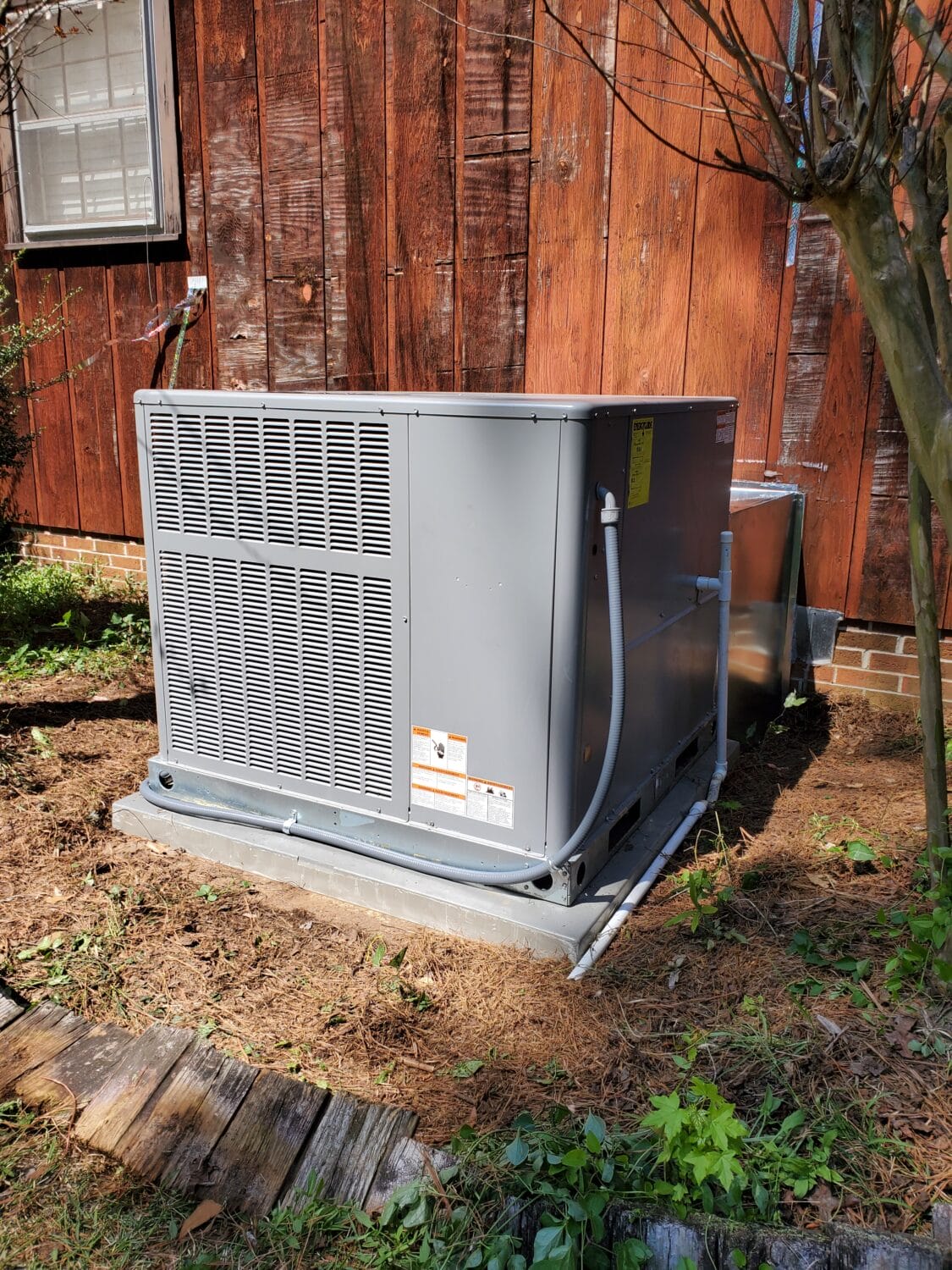
Deciding whether to repair or replace an aging HVAC system is one of the most practical financial decisions a Camden County homeowner faces, and making the right call saves money, improves comfort, and avoids surprise breakdowns. This guide explains clear, local-minded rules — including typical lifespans, warning signs, cost comparisons, and how the 2025 refrigerant transition affects older equipment — so you can weigh short-term repairs against long-term replacement. You will learn how climate and maintenance in Camden County influence system longevity, the top diagnostic signals that point to repairable faults versus full replacement, and concrete cost bands and financing options that change the math. We also cover the homeowner benefits of modern, energy-efficient systems and available incentives that lower net replacement cost. For practical next steps, the guide offers checklists, comparison tables, and a decision framework you can use before calling a technician. Urgent Air Services serves Camden County and nearby towns and offers free estimates and financing options to help homeowners evaluate repair vs. replacement; call to schedule a free estimate and get a local diagnosis.
An HVAC system’s lifespan is the expected operating window before major components typically fail; local climate, usage patterns, and maintenance quality drive how long units remain reliable. In Camden County’s humid, warm summers and variable shoulder seasons, air conditioners and heat pumps tend to accumulate high runtime hours, which accelerates wear on compressors and air handlers. Regular preventive maintenance, timely filter changes, and correct system sizing slow deterioration and improve efficiency, giving systems more useful years. The next subsection gives typical numeric ranges for ACs, furnaces, and heat pumps so you can compare your system’s age to local expectations and decide when age alone warrants replacement.
Typical lifespan ranges in the Camden County area vary by equipment type and usage: central air conditioners commonly run 10–15 years under average conditions, furnaces typically last 15–20 years when combustion components are intact, and modern heat pumps often last 10–15 years with good maintenance. Systems that operate near capacity all summer — common in our region — reach end-of-life sooner than ones with lighter seasonal load, and high-SEER or high-AFUE units can sometimes extend useful life if well-maintained. When an AC or heat pump passes roughly 10–15 years, homeowners should evaluate recurring repair frequency and projected efficiency losses to decide whether replacement will yield lower lifecycle cost.
Camden County’s hot, humid summers increase runtime and stress refrigerant circuits, while salt-free inland air reduces corrosion risk compared with coastal zones; nonetheless, frequent on-off cycling, undersized ductwork, and neglected maintenance shorten service life. Homeowners who change filters monthly, schedule annual tune-ups, and keep outdoor condensers clear of debris routinely gain extra years from their systems. Installation quality and proper sizing are also decisive: an oversized unit short-cycles and ages faster, while an undersized one runs continuously and wears out components sooner. Regular maintenance habits and correct installation reduce surprise failures and influence whether repair or replacement is the smarter near-term choice.
Recognizing diagnostic signals helps homeowners separate fixable issues from system-wide decline; some signs indicate minor repairs, while others point to imminent replacement to restore reliability and efficiency. A cluster of symptoms — rising energy bills, frequent compressor trips, persistent leaks, or age over 10–15 years — often signals replacement, whereas single, isolated symptoms like a clogged filter or faulty thermostat generally point to repair. Use the lists below to triage symptoms and then compare the repair estimate to replacement cost ranges in later sections to make an informed choice. After the diagnostic lists, the following subsection explains when repeated repairs and major component failures justify full replacement.
Repair indicators focus on isolated, addressable faults that improve when parts are serviced or replaced, and they typically appear as operational or control problems rather than systemic failures. Noisy bearings, reduced airflow, irregular cycling, or a thermostat that won’t hold setpoints usually respond well to diagnostic service and parts replacement. Diagnostic fees and emergency call-out premiums in Camden County can raise initial repair bills, but these one-time expenses are justified when the remaining system life is substantial. If troubleshooting returns the system to normal operation without repeated failures, repair is the cost-effective choice; if not, the next subsection explains replacement triggers.
Full replacement is usually sensible when systems are older than roughly 10–15 years, when major components like compressors or heat exchangers fail, or when recurring repairs exceed around half the cost of a new system — the common “50 percent rule.” Additionally, the 2025 phase-down of some refrigerants means older R-410A systems may become more expensive to service over time, tilting the decision toward replacement in many cases. Frequent total-loss failures, rapidly rising energy bills, or a major safety-related malfunction such as a cracked heat exchanger are clear replacement signals rather than candidates for incremental repair.
Common repairs in the Camden area fall into predictable bands: smaller items like capacitors and thermostats usually run a few hundred dollars, refrigerant recharges range in the low hundreds to mid-hundreds, while major component work such as compressor or heat exchanger replacement can reach into the thousands. Diagnostic fees and emergency service premiums increase the initial bill but are avoidable with planned maintenance. Financing availability and free estimates from local providers alter the homeowner’s out-of-pocket calculus, making replacement more feasible when major failures push repair estimates near replacement thresholds. The next subsection provides compact replacement cost ranges and factors that influence the final installed price.
Modern systems lower energy use through higher SEER ratings, variable-speed compressors, and superior airflow management, translating into percentage savings on cooling and heating bills compared with older, inefficient units. Smart thermostats and zoning systems optimize runtime and reduce wasted conditioning in empty zones, and heat pumps offer efficient heating alternatives in milder winters. Quieter operation and better humidity control improve perceived comfort and indoor air quality, while lower repair frequency reduces unexpected costs. The next subsection explains the incentives and provider support that lower net replacement cost and ease adoption.
As of 2025, federal incentives under recent energy legislation include tax credits that may cover a portion of qualified heat pump or high-efficiency system installations, and many utilities run local rebate programs that stack with federal credits to lower net cost. Local providers and installers often help homeowners identify eligible incentives and complete required paperwork, which can materially reduce out-of-pocket expense and payback timelines. Urgent Air Services assists Camden County homeowners by providing free estimates, explaining financing options, and pointing customers toward available incentives to lower the effective replacement price; request a free consultation to see how incentives apply to your property.
Kershaw, SC 29067
Mon - Fri 8am- 6pm
Sat - Sun Closed