
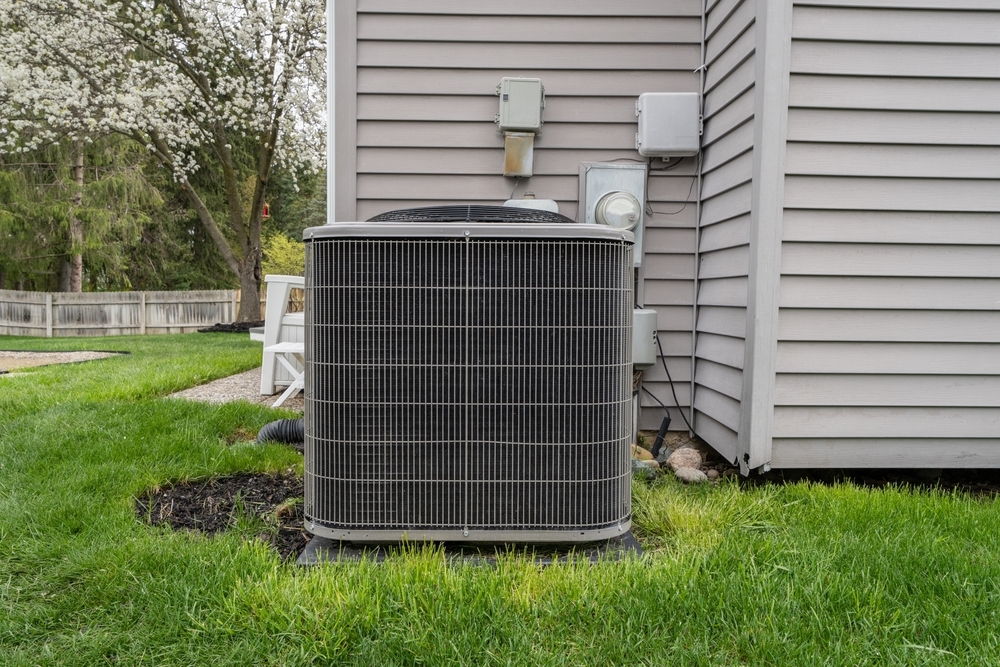
A failing air conditioner is more than an inconvenience in Camden’s humid summer climate — it can quickly raise energy bills, reduce indoor comfort, and risk costly secondary damage if left unattended. This article helps Camden County homeowners recognize the most common signs that an AC needs repair, explains why those symptoms occur, and gives safe, practical steps you can take before a technician arrives. You will learn how to diagnose poor cooling, identify alarming noises, stop indoor leaks, and spot efficiency losses that drive up electric bills, with local context for Camden, Lugoff, Elgin, and Kershaw households. If you notice any red flags below, schedule a diagnostic with Urgent Air Services to get a prompt inspection and a free estimate; their local team answers service requests by phone. Read on for clear homeowner checks, urgency guidance, and what to expect from professional HVAC diagnostic services in Camden County.
An AC that fails to cool properly usually reflects one or more mechanical or airflow problems that reduce heat transfer and refrigerant cycle efficiency. In Camden’s heat and humidity, minor restrictions or low refrigerant become noticeable quickly because the unit must run longer to maintain setpoints, increasing wear and energy use. Homeowner checks can narrow causes: verify thermostat mode and temperature, inspect and replace a dirty air filter, and ensure the outdoor condenser has 2–3 feet of clearance from debris or plants. If those simple checks don’t restore cooling, the issue likely requires professional diagnostic services to test refrigerant pressure and compressor operation.
Warm air from vents is most commonly caused by low refrigerant, compressor problems, or airflow restriction, each interrupting the heat-exchange process inside the system. Low refrigerant from a leak reduces pressure and prevents the evaporator coil from absorbing heat, which results in warm air at the registers and longer run times. Compressor failures or electrical faults can stop the refrigeration cycle entirely and typically need trained HVAC technicians with diagnostic gauges and safety gear to repair. Clogged filters and blocked return vents reduce airflow across the coil, causing it to freeze or underperform; replacing the filter and clearing obstructed returns are safe homeowner actions that often restore cooling temporarily.
Different causes produce distinct signs homeowners can check quickly, such as checking thermostat mode and battery if the display is dim, replacing the air filter if it appears dark or clogged, and clearing debris from the outdoor unit while confirming power at the breaker. These quick checks can sometimes resolve the issue, but persistent warm-air symptoms require professional AC repair in Camden.
Poor cooling directly reduces indoor comfort and forces the system to run longer, which increases electricity consumption and accelerates component wear. In Camden’s warm months, longer runtimes raise room humidity and can allow mold growth in weakly cooled spaces, while repeated short-term fixes add up compared to an efficient repair.
A practical mitigation is to raise the thermostat a couple of degrees, use ceiling fans to maintain perceived comfort, and run the AC less frequently until a technician can assess refrigerant levels and compressor health. Professional maintenance restores efficiency, prevents repeated breakdowns, and often lowers monthly cooling costs by improving heat-exchange performance and airflow.
Noises from an AC identify failing mechanical parts or safety issues and should be treated as diagnostic clues rather than nuisances. Certain sounds — grinding, hissing, banging, or screeching — map directly to failing motors, refrigerant leaks, loose components, or worn bearings, and each has a different urgency level and recommended homeowner response. Performing a basic exterior inspection for loose panels and visible debris is safe, but if you hear grinding, smell burning, or detect hissing like escaping gas, shut off the unit and call a professional immediately.
Which noises map to critical problems and what to do next: grinding indicates motor or bearing failure, prompting you to stop the unit and call a technician; hissing suggests a refrigerant leak, requiring you to shut down the system and schedule urgent leak repair; and banging or clanking may be loose fan blades or broken mounts, meaning you should turn off the unit and arrange an inspection. These rules help homeowners decide when to shut the system down and request an urgent repair.
Grinding or metal-on-metal sounds typically indicate failing motors or bearings and require immediate shutdown to avoid further damage or fire risk.
Hissing often points to refrigerant leaks, which both reduce cooling and pose system corrosion risks; this sound should prompt an urgent repair call.
Persistent squealing may come from a worn belt or failing blower motor bearings; while not always an immediate hazard, ignoring it shortens component life and raises repair costs.
For any high-urgency noise, stop the system if safe and call an HVAC professional with diagnostic capability rather than attempting internal repairs yourself.
Call a professional immediately if you hear grinding, smell burning, or detect hissing indicative of a refrigerant leak; these signs suggest mechanical failure or safety hazards. For persistent loud noises that continue after clearing debris and tightening panels, schedule service within 24–48 hours to prevent escalation into compressor damage. Non-urgent rattles or intermittent noises can be monitored but should be included in the next preventative maintenance visit to avoid surprise breakdowns during peak Camden heat.
Indoor water around vents or condensate lines signals a drainage or coil problem that can cause mold, structural damage, and electrical hazards if unchecked. Typical causes include a clogged condensate drain line, frozen evaporator coils that later melt, or a cracked/poorly sloped drain pan; each requires a different remedy ranging from homeowner clearing to professional repair. Safe immediate actions are to turn off the thermostat if water reaches electrical components and to mop up standing water to limit damage; do not attempt electrical repairs yourself. If the cause is a clogged drain or damaged pan, a professional service visit is usually necessary to clear lines, treat mold risk, and restore proper drainage.
Clogged condensate drain lines are the most common cause and occur when algae and debris block flow, causing overflow and leaks inside the home. Frozen evaporator coils — often from airflow restriction like dirty filters or closed vents — will drip excess water as they thaw, so clearing airflow issues is a critical first step. A cracked or rusted drain pan or an improperly pitched coil/duct assembly can also permit leaks; these conditions generally need a technician to repair or replace components to prevent recurrence.
Different homeowner steps to address leaks include turning off the AC if water contacts electrical areas, clearing visible debris from the outdoor unit and replacing dirty filters, and scheduling a condensate-line cleaning and coil inspection if leaks recur. These steps reduce immediate risk while organizing a professional fix.
Water leaks increase mold and mildew growth risk, which degrades indoor air quality and can harm occupants with allergies or asthma. Moisture also damages drywall, insulation, and structural wood, raising repair costs beyond HVAC work if left unaddressed. Internally, persistent leaks lead to corrosion of components and potential electrical shorts, creating safety hazards and the need for more extensive HVAC replacement.
High electric bills during AC use commonly stem from efficiency losses caused by restricted airflow, dirty coils, low refrigerant, thermostat miscalibration, or an aging compressor that consumes more power per BTU. Each inefficiency forces longer run times or more frequent cycling, translating directly into higher kWh consumption and larger monthly bills for Camden homeowners. Short-term homeowner fixes include replacing filters, setting thermostats a few degrees higher with fan support, and sealing visible duct leaks; long-term savings come from professional coil cleaning, refrigerant servicing, thermostat calibration, and preventative maintenance. If you notice a sudden spike in cooling costs, schedule a diagnostic to identify whether mechanical faults or simple maintenance will restore efficiency.
An inefficient AC requires the compressor to run longer to meet set temperatures, which increases the accumulated runtime and electricity draw; frequent short cycles also waste energy through repeated startup loads. Dirty evaporator or condenser coils reduce heat exchange area, lowering cooling capacity and forcing the system to operate harder and longer — a common issue in humid climates like Camden where coil fouling happens faster. Reduced airflow due to clogged filters or closed vents restricts cooling performance and can cause the evaporator to ice, temporarily reducing efficiency and then creating a heavy load when the system defrosts. Addressing these mechanical inefficiencies restores normal cycle lengths and reduces monthly consumption.
Start with basic, high-return actions: replace or clean air filters monthly during heavy use, program the thermostat to avoid unnecessary cooling, and keep the outdoor condenser clean and shaded without blocking airflow. Schedule annual preventative maintenance to inspect refrigerant levels, clean coils, calibrate thermostats, and detect early compressor wear; these services optimize efficiency and extend equipment life. Consider adding a smart thermostat to manage setpoints and runtime more precisely and sealing duct leaks to ensure cooled air reaches living spaces effectively.
Kershaw, SC 29067
Mon - Fri 8am- 6pm
Sat - Sun Closed