
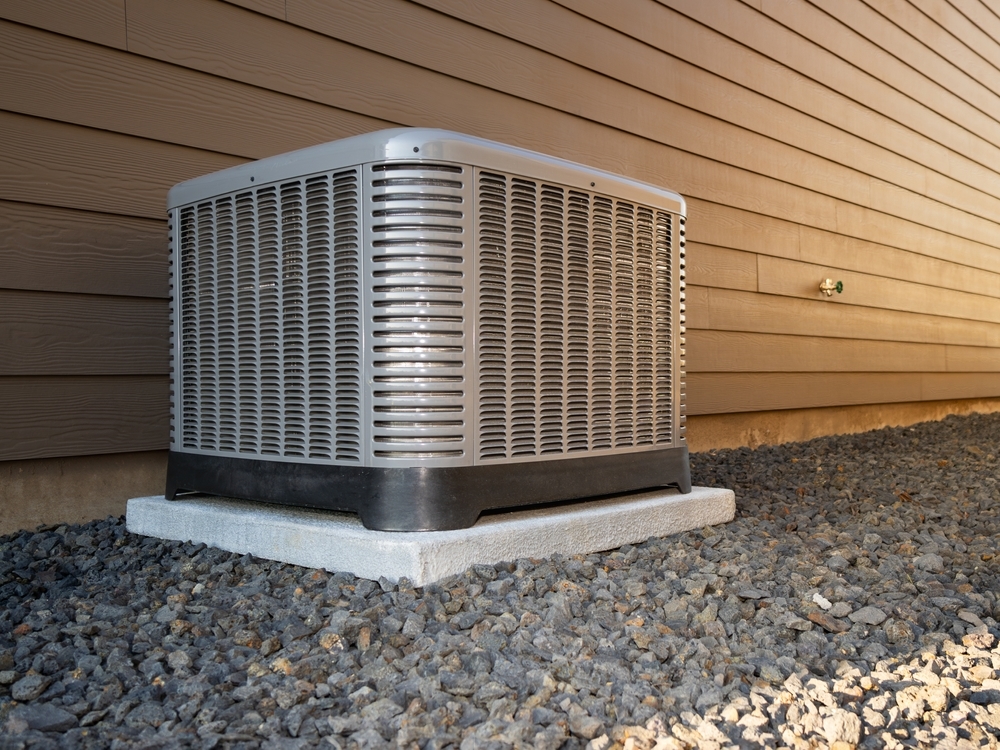
If your heating or air conditioning fails unexpectedly, an HVAC emergency can quickly become a safety and comfort problem for Camden and Lugoff households. This guide explains what counts as an HVAC emergency, how to perform short, safety-first checks (thermostat, circuit breaker, outdoor unit, and filters), when to stop DIY work, and when to call a professional. You will find clear symptom-to-cause mappings for common failures, concise step-by-step troubleshooting actions, transparent local cost ranges, and practical checklists to help you make fast decisions. The article emphasizes safety around gas, refrigerant, and electrical issues while giving Camden and Lugoff residents actionable, localized advice for urgent AC and heating problems. Read on for structured how-to lists, quick-reference tables, and specific guidance on costs, free estimates, and veteran discounts so you can resolve emergencies with minimal risk and downtime.
An HVAC emergency is any failure that risks safety, property damage, or health, such as no heat during cold snaps or AC failure in extreme heat. These emergencies often arise from failed compressors, refrigerant leaks, electrical faults, blocked airflow, or gas and carbon monoxide risks that require immediate action. Recognizing these scenarios quickly limits damage and keeps occupants safe, which is why local knowledge of symptoms matters for Camden and Lugoff homes.
Immediate-attention HVAC problems are those that threaten safety, health, or imminent property damage, such as gas smells, carbon monoxide alarms, persistent electrical sparking, or a complete loss of heat in freezing conditions. These issues often involve hazardous substances (natural gas, refrigerant) or electrical faults and should prompt evacuation or shutting off utilities as appropriate. For gas or CO concerns, leave the building, go to a safe location, and call emergency services first; then contact a qualified HVAC technician to inspect and repair. Understanding these red flags helps Camden and Lugoff residents prioritize life-safety actions over troubleshooting and avoid risky DIY attempts.
Early signs of HVAC failure include weak or no airflow, unusual grinding or banging noises, foul or chemical odors, visible ice on evaporator coils, and repeated breaker trips. Each symptom maps to meronyms of the system: a noisy compressor, a failing thermostat, a blocked air filter, or damaged refrigerant lines; identifying the system component helps describe the problem to a technician. A quick visual and auditory scan—feeling vents for airflow, smelling near the furnace or outdoor unit, and checking the thermostat display—can confirm whether it’s a likely electrical fault, mechanical failure, or refrigerant issue. These quick checks reduce diagnosis time and let you take safe interim actions, such as turning the system off to prevent further damage.
Before calling for emergency HVAC repair, perform a short list of safety-first checks that can often rule out simple causes and help you provide accurate information to a technician. Focus on non-electrical and non-gas tasks, such as ensuring the thermostat is set correctly, replacing batteries if blank, and switching from auto to on to test the fan. Also, locate the HVAC breaker and reset it once (noting that repeated trips indicate an electrical fault needing a professional). Inspect and replace visibly dirty air filters, confirm vents are open to restore airflow, and with power off, clear leaves and debris from around the condenser to improve cooling performance. These steps are designed to rule out common, harmless problems while avoiding exposure to refrigerant, gas, or internal electrical components. These DIY checks help you determine whether the problem is simple or requires professional intervention. After completing them, if the system still shows no improvement, stop DIY troubleshooting and prepare to provide the technician detailed notes on symptoms and actions taken.
Start thermostat checks by confirming the setpoint is appropriate, mode is correct (heat/AC), and batteries are fresh; many thermostat errors are simple power or setting issues. For circuit breakers, visually inspect the panel for tripped breakers, then reset the HVAC breaker once; if it trips again immediately, power down and call a professional to avoid electrical hazards. Never open electrical panels beyond resetting breakers if you are not comfortable—turning off power before inspecting wiring is essential, and repeated trips signal underlying faults. These safe, small checks often resolve basic outages and supply clear, actionable information to emergency technicians.
Avoid DIY for any situation involving gas odors, carbon monoxide alarms, visible refrigerant leaks, smoke, persistent electrical sparking, or if you detect hazardous chemicals. These conditions pose immediate health and safety risks and require certified technicians with proper tools and protective equipment. Refrigerant handling, gas valve work, and internal electrical repairs are regulated tasks that are unsafe for homeowners and often illegal to perform without certification. Recognizing these abort conditions quickly will protect you and speed the arrival of competent emergency repair services.
Critical after-hours situations include natural gas smells, carbon monoxide detector activation, persistent electrical arcing, major water leaks from HVAC components, and total loss of heating in cold weather. Each scenario carries specific consequences: gas and CO threaten life, electrical faults risk fire, and prolonged loss of climate control can damage plumbing and electronics. Immediate homeowner actions depend on the condition—evacuate for gas/CO, isolate water leaks to prevent flooding, and shut power for sparking—then contact an emergency HVAC service for diagnosis and repair. Understanding these triggers helps Camden and Lugoff residents take the right safety-first steps while waiting for a trained technician.
Kershaw, SC 29067
Mon - Fri 8am- 6pm
Sat - Sun Closed